Titanium Flanges And Fittings
Overview
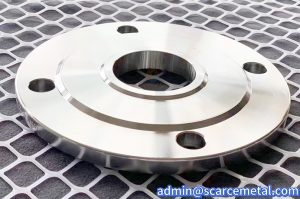
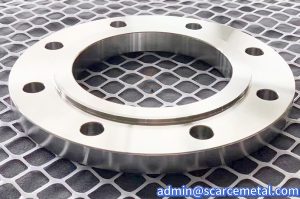
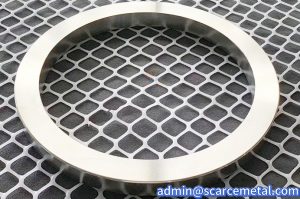
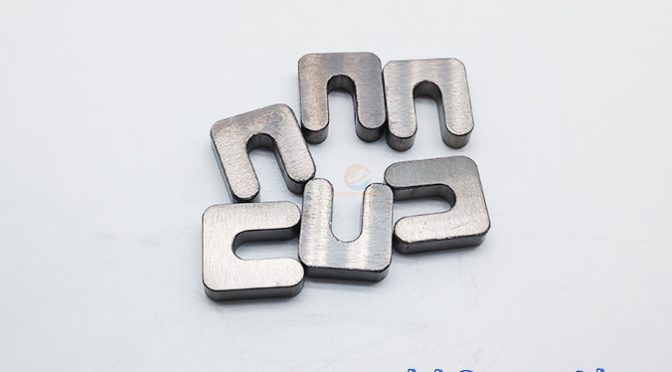
Titanium Flanges And Fittings are disc pipe connectors made of titanium or titanium alloy, which are widely used in harsh environments such as chemical, marine engineering, and aerospace to achieve reliable sealed connections in piping systems due to their corrosion resistance, high temperature resistance, lightweight, and high strength. It is mainly used for detachable connection of pipe-tube, pipe-equipment (valve/pump), fastened by bolts and sealed by a gasket.
Titanium Flange Features
- Excellent corrosion resistance, excellent performance against hydrochloric acid, sulfuric acid, nitric acid, chlorine water, wet chlorine gas, and other highly corrosive media.
- The density is only 60% of that of steel, but the strength is close to that of high-strength steel, which can reduce the overall weight by 30-50% and improve structural performance.
- Excellent temperature adaptability, low coefficient of thermal expansion, can still maintain mechanical strength and corrosion resistance above 300°C, and there is no risk of seal failure due to thermal expansion.
- Titanium flanges are used in conjunction with gaskets and bolts to form a stable seal and prevent media leakage, especially suitable for high-temperature and high-pressure environments.
- Non-magnetic, non-toxic, non-allergenic, widely used in food, medicine, and medical devices.
Dimension
| Grade | TA1/TA2/TC4 |
| OD | 150-300mm |
| ID | 100-200mm |
| Thickness | 15-25mm |
| Bolt hole diameter | M10-M20 |
| Tensile Strength | ≥895MPa |
| Elongation | ≥10% |
| Density | 4.51g/cm³ |
| MOQ | 2PCS |
| Standard | JIS/ASME/GB/ASTM |
| Delivery time | 25-30days |
| Certification | ISO 9001 |
Type
- Titanium Weld Neck Flanges: The flange neck has a tapered extension (weld neck), which is connected to the pipe by butt welding, and the weld seam is located at the junction of the pipe and the flange neck. The welded structure ensures seal reliability and reduces the risk of leakage.
- Titanium Slip-On Flanges: The inner diameter of the flange is slightly larger than the outer diameter of the pipe, and the pipe is inserted into the flange hole and fixed by fillet welding (inner and outer welds) on both sides. The pipe can be "slid into" the flange hole directly, making it suitable for quick construction on site.
- Titanium Blind Flange: No central hole, solid disc structure, used to close the end of pipes or isolate valves and equipment; The solid structure withstands high pressure and prevents media leakage, making it suitable for hazardous media.
Application
1. Petrochemical industry
Titanium Flanges And Fittings are used in oil refining and chemical plants to transport highly corrosive media such as acids, alkalis, salts, etc., and the corrosion resistance is much better than that of carbon steel and stainless steel.
2. Desalination and marine engineering
Titanium Flange is used in seawater pipelines, offshore platforms, and ship pipelines, and can resist seawater and salt spray corrosion for a long time, with a long service life.
3. Chlor-alkali, papermaking, printing, and dyeing industry
It is suitable for harsh working conditions such as chloride ions, bleaching liquid, and alkaline waste liquid, and is not prone to pitting and crevice corrosion.
4. Pharmaceutical, food, bioengineering
Titanium is non-toxic and biocompatible, and Titanium Flanges And Fittings are used for clean pipes and reactor interfaces, meeting the requirements of hygiene and sterility.
5. Vacuum and electronics industry
Non-magnetic and high-temperature resistant, used in vacuum equipment, semiconductor equipment, and piping systems.
6. Aerospace and high-end equipment
It uses the characteristics of titanium alloy with high strength and lightweight to be used in aero engines and spacecraft pipeline flanges.
Processing
(1) Select titanium or titanium alloy bars/forgings (such as TA1, TA2, TC4) that meet the standards for flaw detection and dimensional inspection to ensure that there are no cracks, inclusions, and other defects.
(2) Sawing the billet according to the flange specifications, and the large-size flange needs to be forged to make the structure dense and improve the mechanical properties.
(3) Annealing the forgings to eliminate internal stress, improve cutting performance, and ensure subsequent dimensional stability.
(4) Rough and finish turning of the outer circle, inner hole, end face, and sealing surface (boss/concave/waterline) on the CNC lathe to ensure dimensional accuracy.
(5) Drill bolt holes and countersink holes according to flange standards, and some threaded structures need to be tapped.
(6) Polishing, pickling, or passivation treatment on the sealing surface and flange surface to remove the oxide scale and improve the corrosion resistance and appearance quality.
(7) Detect dimensional tolerance, roughness, hardness, and non-destructive testing (UT/PT) to ensure compliance with national standards, American standards, and other standards.
Pictures