Molybdenum Copper Alloy Foils
Overview
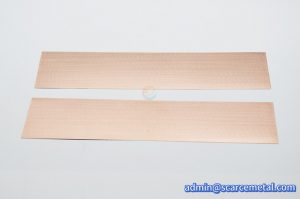
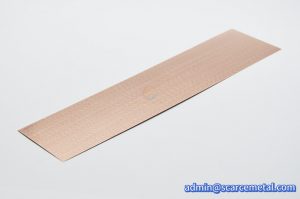
Molybdenum Copper Alloy Foils is a composite material prepared from molybdenum and copper through powder metallurgy or infiltration process, with a microstructure of "molybdenum skeleton-copper filling", which combines the high melting point of molybdenum, low thermal expansion coefficient and high thermal conductivity of copper, showing excellent comprehensive properties, and can be customized by adjusting the ratio of molybdenum copper, and is widely used in electronic packaging, aerospace, power equipment and other fields. Our company has many years of professional experience in the production and sales of molybdenum copper or tungsten copper products. If you need, please feel free to ask us for a quote.
Copper Molybdenum Properties
- High thermal and electrical conductivities facilitate rapid power and heat transfer, ensuring heat dissipation and equipment stability.
- By adjusting the molybdenum-to-copper ratio, it can be matched to the coefficient of thermal expansion of semiconductor materials, thereby improving device stability.
- Copper can evaporate and absorb heat, play a role in "sweating cooling", and show excellent stability in high-temperature environments.
- Extremely low gas content and excellent vacuum performance, low outgassing rate in a vacuum environment, suitable for the manufacture of high-vacuum electronic devices.
- The reduced hardness and increased plasticity make it easier to perform machining such as turning and milling, meeting the manufacturing needs of precision electronic devices.
PS: Compared with tungsten copper alloys, molybdenum copper is easier to process, can better match semiconductor materials and other precision requirements, and has more advantages in thermal management of high-power electronic devices.
Molybdenum Copper Foil Sheet Dimension
| Material |
Mo85Cu15/Mo70Cu30 |
| Chemical Composition |
Mo:83%-87% Cu:13%-17% Impurity:≤0.8% |
| Width |
30-600mm |
| Length |
>30-2700mm |
| Thickness |
0.09-0.5mm |
| Density |
10.2-10.5 g/cm³ |
| Hardness |
HV 250-300 |
| CTE |
5.8-6.5×10⁻⁶/℃(20-600℃) |
| MOQ |
5PCS |
| Surface |
Cold rolled brightening/alkali washing/polishing |
| Standard |
ASTM B386 |
| Certification |
ISO 9001 |
Application
1. Electronic packaging and thermal management
Molybdenum Copper Alloy Foils are used in thermal sinking or heat dissipation substrates for high-power chips, lasers, and microwave components, quickly conducting heat to match the thermal expansion of materials such as Si, GaAs, SiC, AlN, etc., and reducing thermal stress and solder joint cracking.
Molybdenum Copper Foil is used in lead frames or transition sheets for ICs and power devices, balancing electrical conductivity, thermal conductivity, and thermal expansion matching.
2. Vacuum electrical appliances and power equipment
Molybdenum Copper Sheet is used in high-voltage vacuum switches, circuit breakers, vacuum contact materials, and resistance welding electrodes of high and medium piezoelectric appliances to achieve high-temperature strength and conductive thermal conductivity.
3. Optoelectronics and lasers
High-power lasers, LED/VCSEL chips, heat sinks and temperature control temperature rise and extend life.
Precision thermal management and hermetic packaging, such as optical communication devices and detector packaging.
4. Communications
The heat dissipation and structural parts of space electronic equipment, such as satellite communications, travelling wave tubes, and klystron tubes, are non-magnetic, low gas release, and high temperature resistant.
5. Aerospace
Spaceborne or airborne electronics, radar, vacuum and high-temperature environment electronic devices to achieve high-temperature resistance, low expansion, high reliability, non-magnetic, lightweight thermal management solutions.
6. Other precision fields
Instrumentation, sensors: precision structure and thermal control components.
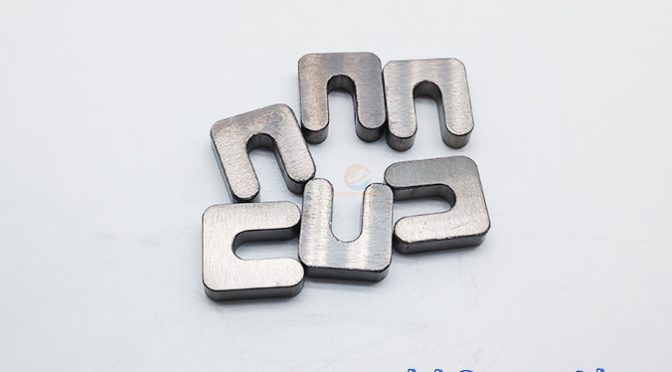
Photovoltaic and semiconductor equipment: electrodes, heat dissipation gaskets.
Mould, precision welding: high temperature resistance, wear resistance, easy processing.
Processing
(1) Mix high-purity molybdenum powder (Mo) and copper powder (Cu) evenly according to the set ratio (such as Mo85Cu15).
(2) Through moulding or cold isostatic pressing (CIP) technology, the mixed powder is pressed into a blank with a certain density and strength.
(3) Sintering at high temperature in a hydrogen or vacuum environment melts the copper and fills the pores between the molybdenum particles, forming a dense "molybdenum skeleton-copper-filled" structure.
(4) Through multiple passes of cold rolling deformation, and with intermediate annealing (eliminating work hardening), the material is gradually rolled to a thickness of 0.1mm or even a few microns.
(5) Use a high-energy laser beam for precision cutting, with no mechanical stress and no burrs.
(6) Alkaline washing or pickling is usually carried out to remove oxides and oil stains on the surface to ensure the surface finish.
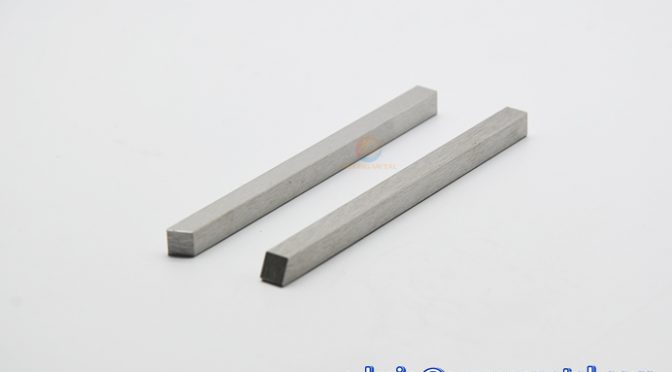
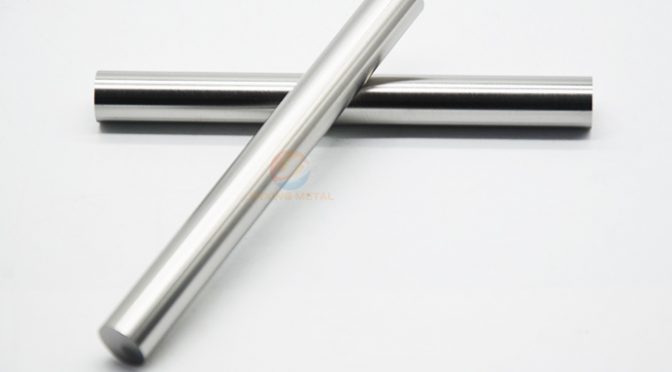
Molybdenum Copper Alloy Foils Pictures