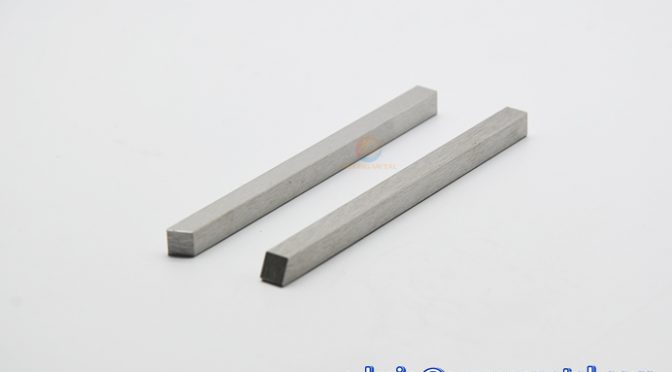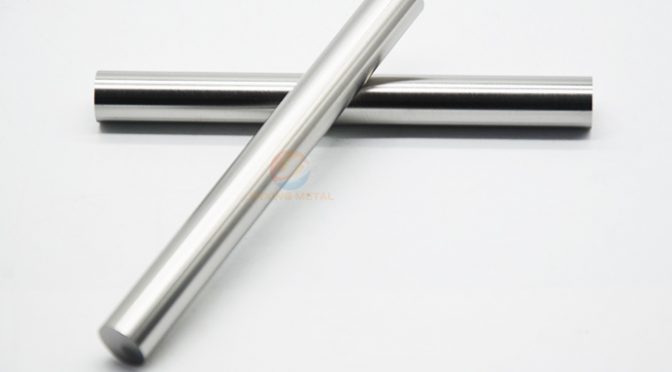
Palladium-silver Alloys Sheet
Overview
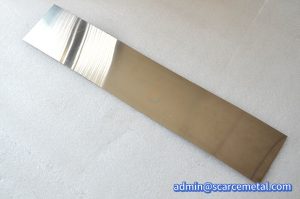
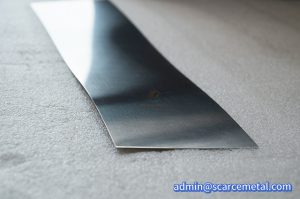
Palladium-silver Alloys Sheet is a binary alloy material made of palladium-based and silver-added, which has excellent oxidation resistance, corrosion resistance, and cold working properties, and can be processed into ultra-thin sheets. Its unique hydrogen permeability and electrical properties make it widely used in high-purity hydrogen purification, electronic contacts, and precision resistance components, with both strength and stability. Our company has high-quality customization capabilities and stable delivery capabilities to meet the different needs of customers. Please contact us by email if needed.
Palladium Silver Alloy Advantages
- It has a strong hydrogen absorption capacity and selective hydrogen permeability, and the purity of hydrogen filtered by it can reach more than 99.9999%, which is widely used in the field of hydrogen purification in the semiconductor industry.
- It has good corrosion resistance, is stable to non-oxidizing acids such as hydrochloric acid and sulfuric acid at room temperature, and its anti-vulcanization and electrical erosion resistance are significantly higher than that of sterling silver.
- It has almost stable resistivity in the temperature range of up to 1000°C and reliable electrical contact, and is widely used as electrical contact components such as wire-wound resistors, strain resistors, brushes, and conductive slip rings.
- Excellent mechanical properties, after cold working, the alloy can be directly processed into various specifications of tubes, rods, wires, sheets, and foils, and the thickness of the foil can be up to 0.03mm.
Palladium-silver Alloys Sheet Dimension
| Grade | Pd60Ag40 |
| Thickness | 0.1-0.5mm |
| Width | 10–600 mm |
| Length | 100–2000 mm |
| Density | 11.75g/cm³ |
| Tensile Strength | 400–500MPa |
| Hardness | 140–180HV |
| Hydrogen permeation rate | 3.4–4.1(cm³/(cm²・min)) |
| Standard | ASTM B731;JIS H 4605 |
| MOQ | 2pcs |
| Certification | ISO 9001 |
Palladium-silver Alloys Sheet Application
1. Precision electrical contact material
Pd60Ag40 Sheet is an ideal material for relays, switches, and connector contacts in the fields of aviation, aerospace, communication, and instrumentation due to its stable electrical contact performance, especially in harsh environments such as vulcanization and oxidation, and its high reliability and long service life significantly improve the stability of micro switches and temperature control switches.
2. Automotive electronic components
Palladium silver Alloy Sheet provides stable electrical contact sheets and contact belts for automotive ignition systems, sensors, and safety systems with its high temperature, vibration, and oil resistance properties, ensuring the long-lasting reliability and signal transmission accuracy of conductive components in harsh environments.
3. Hydrogen separation and purification
Palladium-silver Alloys Sheet is often used as a core component of high-purity hydrogen preparation, fuel cells, and purification devices, efficiently separating impurities and producing hydrogen with a purity of more than 99.9999%, helping the critical needs of green energy and semiconductor processes.
4. Corrosion-resistant electronics
It is suitable for conductive gaskets, electrodes, and precision resistors in high-temperature, humid, or sulfur-containing environments, and is used as an inert electrode for medical devices and biosensors to ensure long-term stable operation and biocompatibility.
5. Microelectronics and packaging
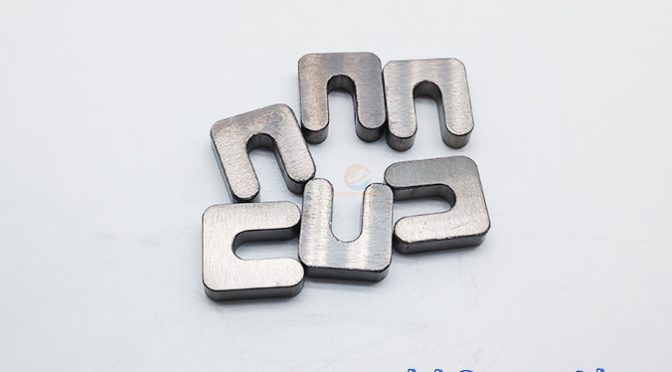
It is used to make ultra-thin gaskets and conductive packaging chips to meet the packaging needs of semiconductors and optoelectronic devices for miniaturization and high-precision packaging, ensuring signal integrity and long-term reliability.
6. Instrumentation and Sensing
It is used to make gas sensor electrodes/sensitive membranes and elastic components of precision instruments, maintaining sensitive response and structural stability in complex environments, and extending the service life of key components such as deflectors.
Processing
(1) Prepare 60% palladium and 40% silver according to the mass percentage, and add trace rare earth elements if necessary to improve performance.
(2) Vacuum induction melting or arc melting and mixing, and the melt is refined and cast into flat ingots.
(3) Hot rolling and cold rolling are alternated to reduce the thickness and control the flatness and accuracy.
(4) The electrical contact material needs to be treated with a solution and aging to improve strength and conductivity
(5) Finishing process and surface treatment to achieve the dimensional accuracy and surface roughness required by customers.
(6) Quality testing, such as hydrogen penetration flux test, conductivity measurement, visual inspection, non-destructive testing, etc.
Palladium Silver Sheet Pictures