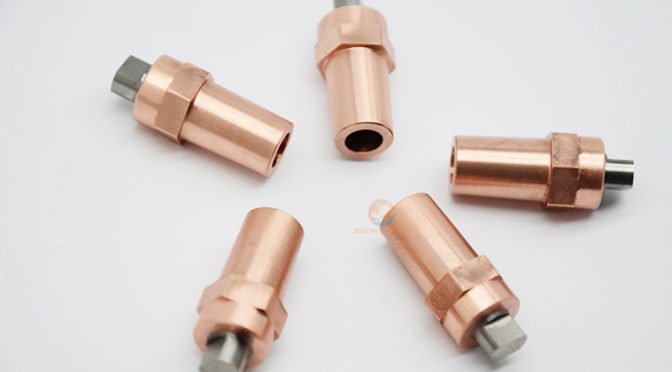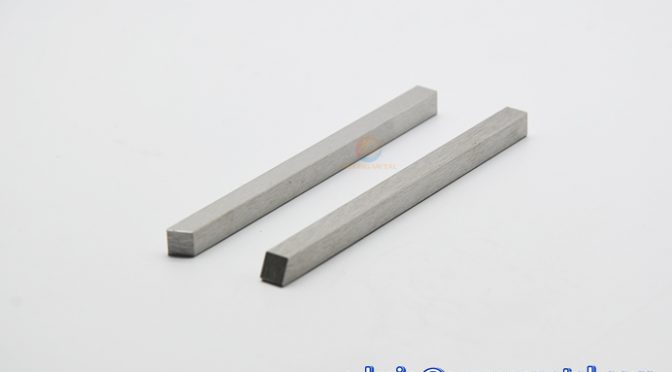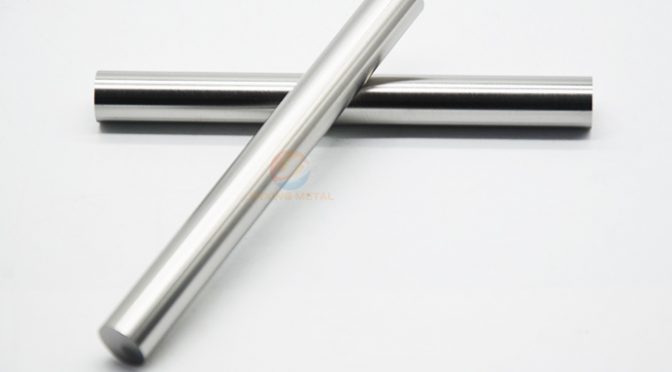
Machining Molybdenum Part
Overview
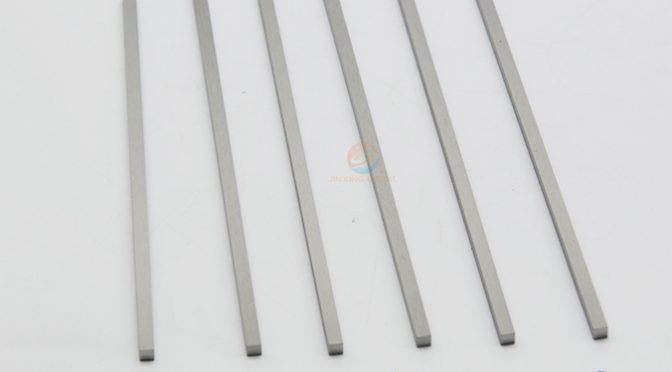
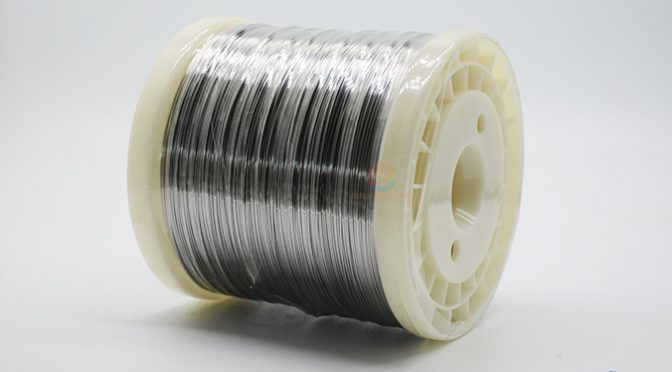
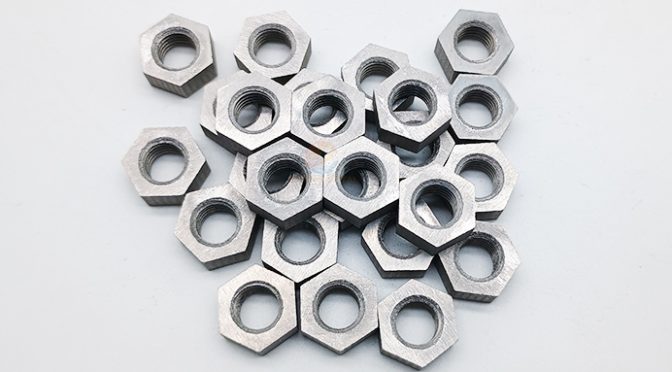
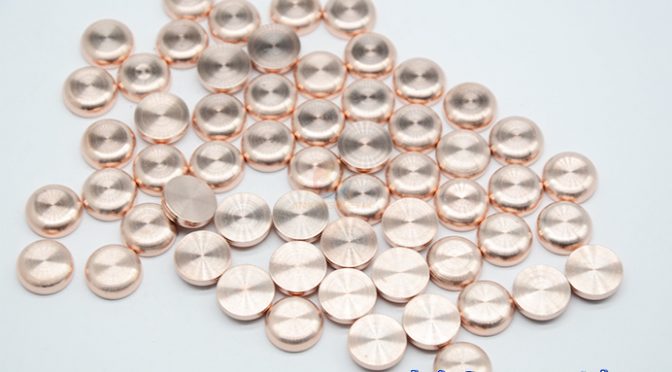
Machining Molybdenum Parts are customized industrial components designed to meet extreme working conditions and high-precision requirements. Leveraging the ultra-high melting point, high strength retention at high temperatures, excellent chemical stability, and high purity of molybdenum, these parts are crafted using powder metallurgy as the core process, combined with precision machining. They can be flexibly customized to meet the specific needs of various industries such as aerospace, metallurgy, semiconductors, chemical, medical, and energy, achieving complex irregular structures, specific dimensional tolerances, and performance parameters, ensuring stable operation of the components in harsh environments such as high temperature, corrosion, and high pressure.
Molybdenum Advantages
- Molybdenum has a high melting point and maintains considerable hardness and tensile strength even at high temperatures.
- At ambient temperatures, molybdenum exhibits excellent corrosion resistance against various acidic and alkaline solutions such as hydrochloric acid and sulphuric acid, whilst being resistant to oxidation reactions with air.
- Molybdenum can be processed through multiple techniques, including forging, machining, welding, and powder metallurgy, enabling it to meet custom requirements for complex shapes.
- Its excellent thermal conductivity and low thermal expansion coefficient enable thermal expansion matching with semiconductor materials and glass encapsulation components, thereby reducing thermal stress cracking.
- It has low electron-emission capability and strong shielding against X-rays and gamma rays.
Dimension
| Material | Mo1/TZM/Mo-La |
| Purity | ≥99.5% |
| Size | Customized |
| Density | 10.23 g/cm³ |
| Melting Point | 2620℃ |
|
Tensile Strength |
600–1100MPa |
| Surface |
Chemical cleaning, Polishing, Black |
| Certification | ISO9001 |
Machining Molybdenum Part Application
1. Aerospace: Used in high-temperature structural components such as turbine engine nozzles, guide vane supports, thermal protection bolts, and combustion chamber liners, ensuring equipment reliability during high-speed flight or in extreme environments.
2. High-Temperature Industries: Employed as heating elements (e.g., molybdenum plates, rods), furnace linings, crucibles, and heat treatment fixtures. Exhibits minimal wear during prolonged high-temperature operation, extending equipment lifespan.
3. Electronics Industry: Used as semiconductor chip sputtering targets (high-purity molybdenum targets), lead frames, heat sinks, and electron tube anodes. It not only ensures uniformity in sputter coating but also facilitates rapid chip heat dissipation through its thermal conductivity, enhancing performance stability.
4. Chemical and Corrosive Environments: Lining for chemical reactors, corrosion-resistant valves and pipelines, and internal components for distillation towers.
5. Medical and Research: Precision probe assemblies in medical diagnostic equipment, shielding components for radiotherapy devices, X-ray targets, and laser cavity lens holders.
Molybdenum Parts Process
① Communicate with customers regarding product dimensions, tolerances, surface treatments, performance requirements, and application environments.
② Select molybdenum powder purity and particle size based on requirements; add a small amount of binder when necessary to enhance powder formability.
③ Press molybdenum powder into specific green compact shapes via cold isostatic pressing or die pressing for subsequent processing.
④ Sinter the green compacts at high temperatures to bond molybdenum particles, forming high-strength, heat-resistant sintered molybdenum blanks.
⑤ Remove excess material via turning and milling to achieve preliminary dimensions close to design specifications.
⑥ Control dimensional tolerances (up to ±0.005mm) and surface roughness through grinding and electrical discharge machining (EDM).
⑦ Perform surface treatments such as chemical cleaning, mechanical polishing, blackening, or coating according to customer requirements.
⑧ Conduct comprehensive quality inspections throughout the process, including dimensional accuracy, performance testing, visual inspection, and material certification.
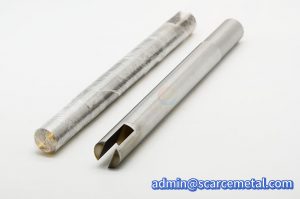
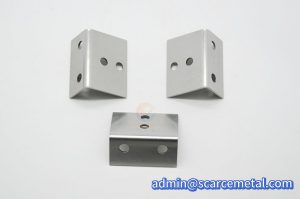
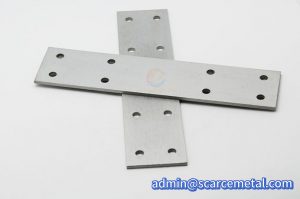
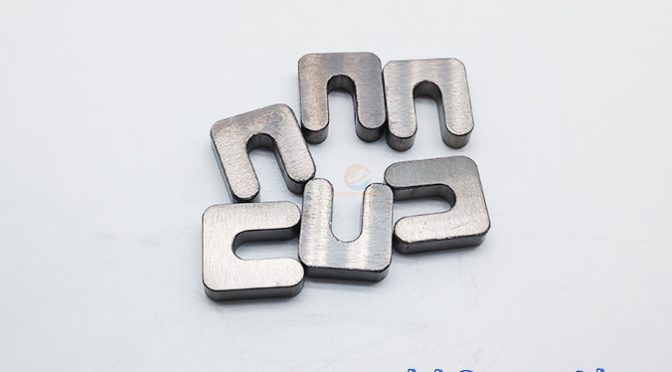
Machining Molybdenum Part Pictures