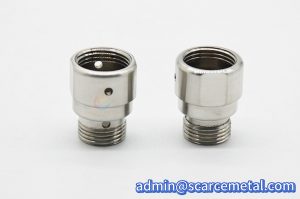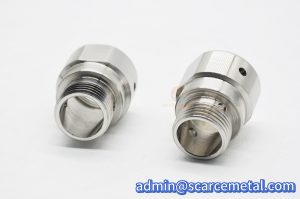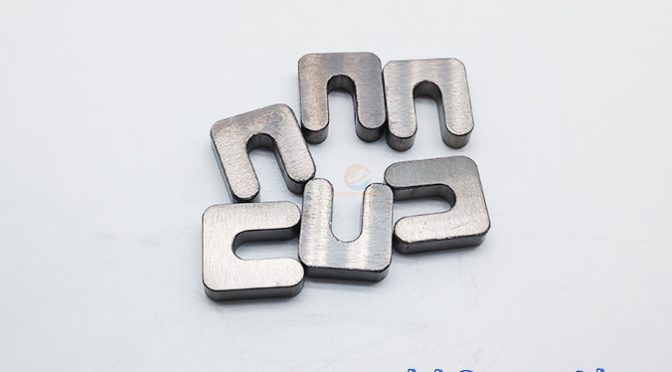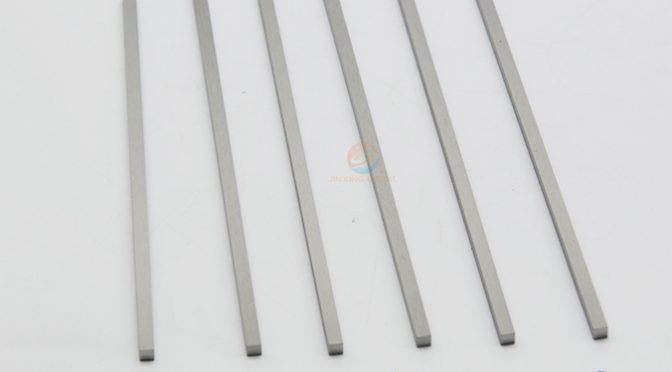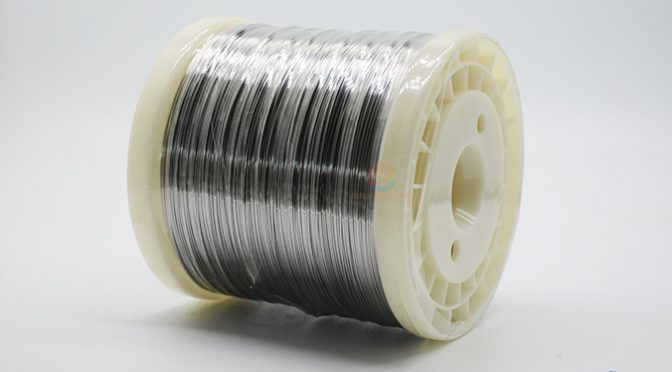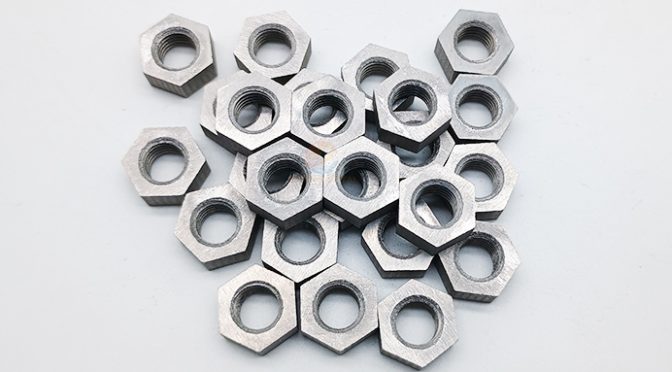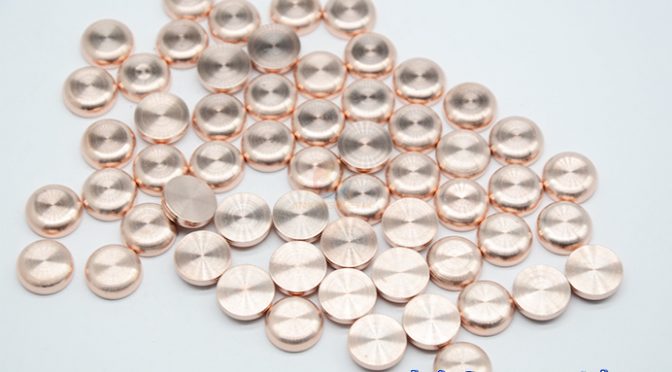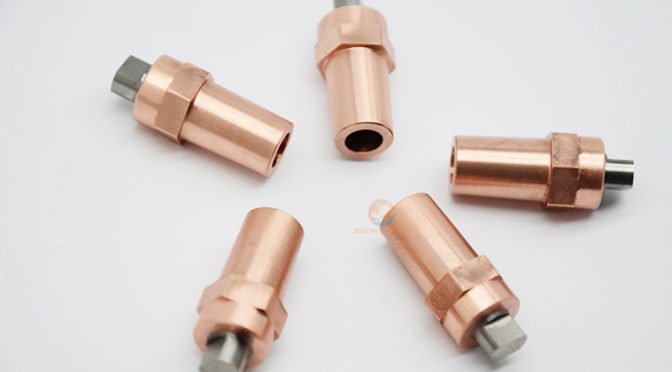
Invar Machining Part
Overview
Invar machining parts are critical components based on iron-nickel alloys (typically containing 36% nickel), renowned for their extremely low coefficient of thermal expansion. This characteristic enables them to maintain high-dimensional stability under varying temperature conditions, requiring advanced CNC machining technology to ensure micron-level precision. They are well-suited for high-precision applications in aerospace, optical instruments, electronics, cryogenic engineering, automotive manufacturing, and advanced medical fields. However, due to their high processing costs, they are often combined with other materials to balance performance and cost-effectiveness.
Invar Properties
- Thermal Expansion Characteristics: Extremely low coefficient of thermal expansion in the low to medium temperature range, exhibiting excellent temperature stability; the coefficient of thermal expansion increases slowly above 100℃.
- Mechanical Properties: Moderate strength, excellent plasticity, good toughness, and stable fatigue resistance.
- Physical Properties: Moderate density, ferromagnetic, with weak thermal and electrical conductivity.
- Processing Performance: Suitable for cold working (stamping, bending, stretching), hot working (forging, rolling), and welding (primarily argon arc welding).
- Strong Environmental Adaptability: Resistant to atmospheric corrosion, stable performance over a wide temperature range of -50℃ to 100℃, suitable for indoor and outdoor, high and low temperature conditions.
- High Cost-Effectiveness: Lower cost and a mature supply chain compared to other low-expansion materials (such as titanium alloys and carbon fiber composites).
Invar Machining Part Specification
| Grade | Invar |
| Ingredient content | Ni 35-37%, Fe balance |
| Density | 8.1 g/cm³ |
| Coefficient of thermal expansion | ≤1.8×10⁻⁶/∘C |
| Tensile strength | 490-690 MPa |
| Size | Customized |
| MOQ | 10PCS |
| Surface | Polishing |
| Certification | ISO 9001 |
Invar Alloy Part Application
- Aerospace: Used in the manufacture of satellite structural components, antennas, laser gyroscopes, remote sensors, inertial navigation systems, etc., ensuring dimensional stability and reliability under extreme temperature variations in space.
- Precision Instruments and Measurement: Applied to standard rulers, geodetic baseline rulers, precision optical platform supports, grating rulers, gravimeter components, and mirror supports for astronomical telescopes, ensuring accurate measurements under temperature fluctuations.
- Electronics and Semiconductors: Used as integrated circuit substrates, thermostats, precision resistors, chip packaging substrates, lead frames, and precision components in lithography machines, preventing thermal deformation and matching the silicon wafer's coefficient of thermal expansion.
- Optics and Laser Equipment: Used in microscopes, optical lenses, laser cavities, interferometer components, etc., reducing lens deformation caused by temperature changes and maintaining image stability.
- Cryogenic Engineering: Applied to the inner tank support structure and pipelines of liquefied natural gas carriers, adapting to dimensional stability in ultra-low temperature environments.
- Scientific Research Equipment: Plays a crucial role in precision machinery, scientific experimental devices, reference instruments, waveguide structural components, and other applications requiring strict control of thermal deformation.
- Optical Engineering and High-End Medical: Focusing lens holders for laser cutting machines, precision transmission components for medical endoscopes, positioning components for ophthalmic surgical instruments, and prism mounts for optical testing instruments.
Process
① Select appropriate nickel-iron alloy powder, remove impurities, oxide scale, and oil stains to ensure the fit and forming quality of subsequent processing.
② Select hot working (forging/hot rolling, suitable for large billets), cold working (room temperature cold rolling/stamping/five-axis machining), or welding (argon arc welding/laser welding) as needed according to product structure to achieve high-precision forming.
③ Stress-relief annealing ensures long-term dimensional stability; passivation or spraying is performed as needed to improve corrosion resistance; combined with finishing and deburring, the surface roughness reaches Ra≤0.8μm.
④ Full-process quality inspection: covering all stages of inspection from raw materials (composition/mechanical properties/coefficient of thermal expansion), process (intermediate dimensions/weld flaw detection), to finished products (dimensional accuracy/surface quality/stability), ensuring compliance with ASTM/ISO standards and providing traceable reports.
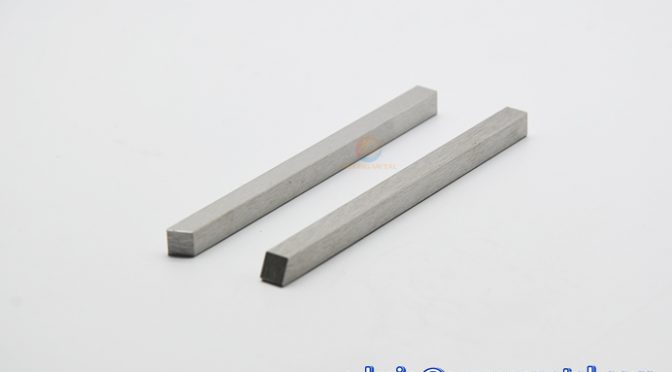
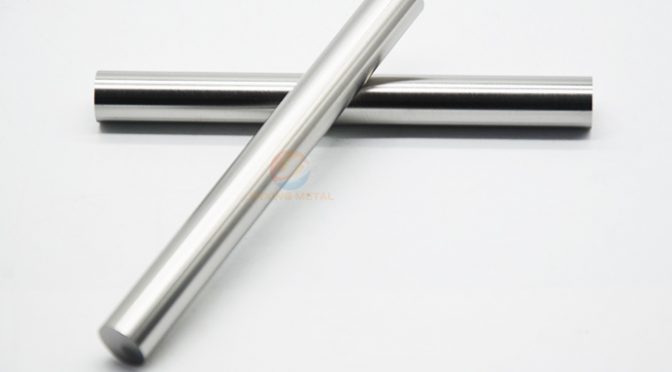
Invar Machining Part Pictures