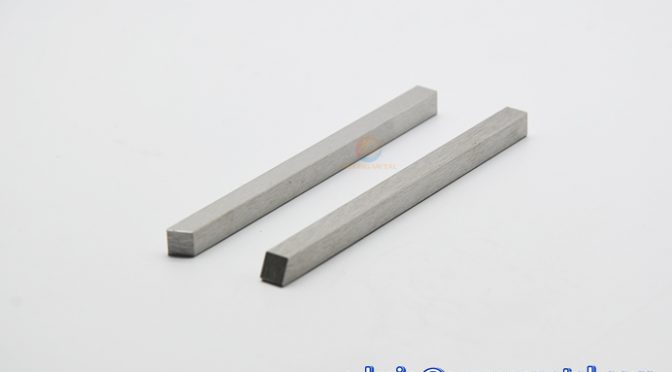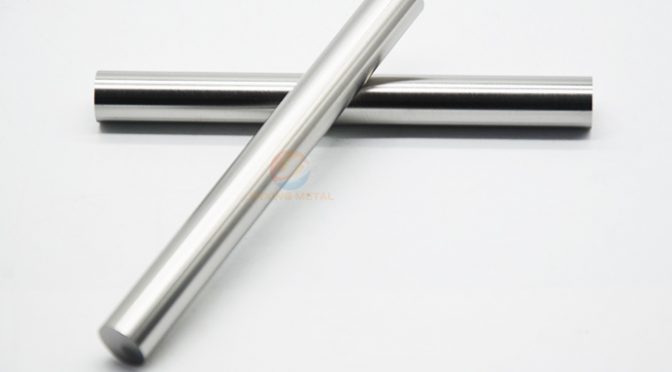
Copper Infiltrated Tungsten Electrode
Overview
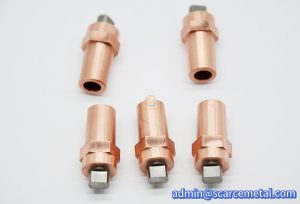
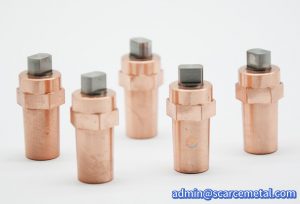
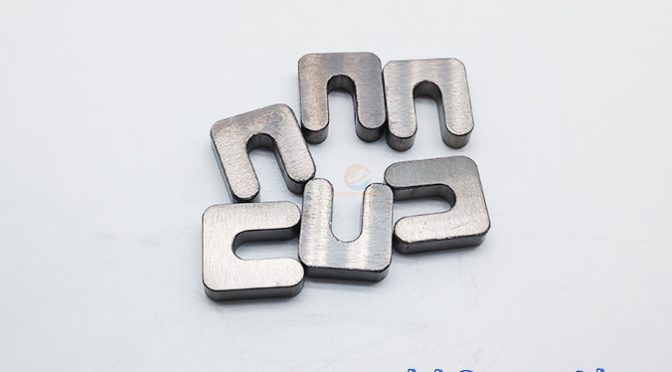
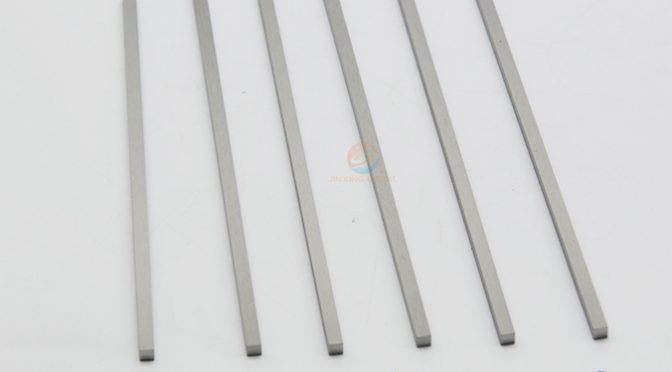
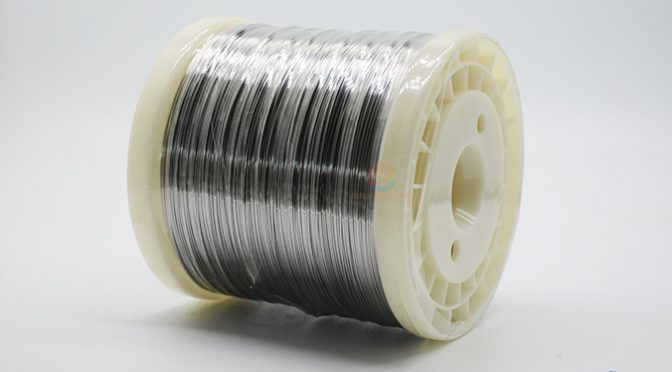
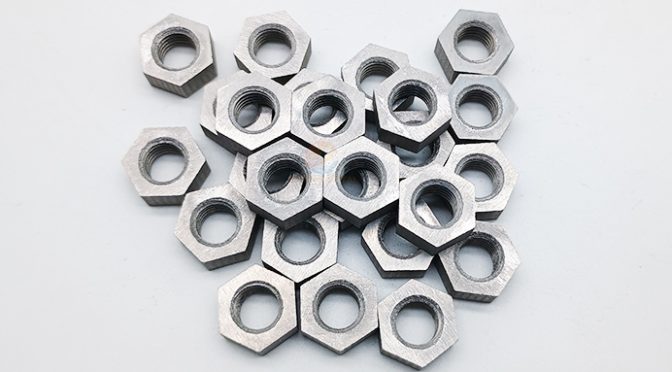
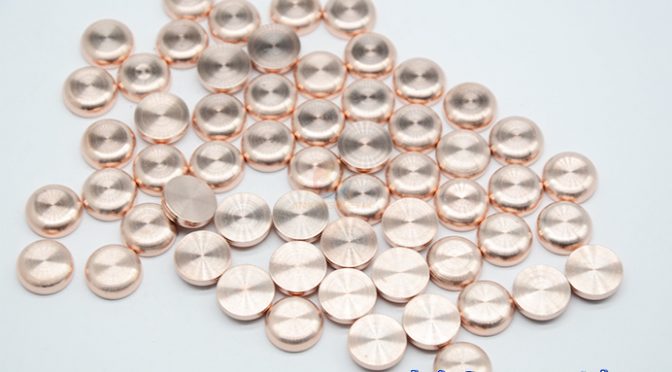
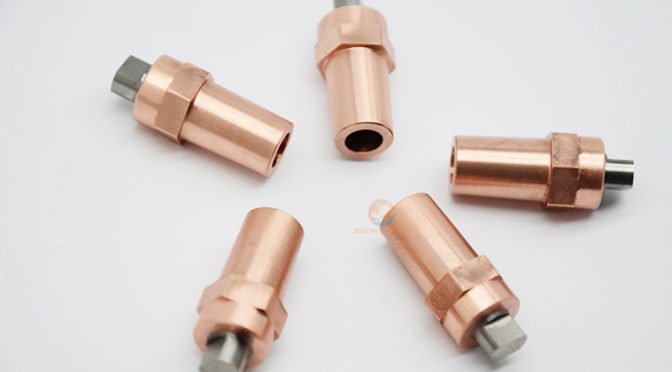
The Copper Infiltrated Tungsten Electrode, also known as the tungsten-copper composite electrode, is widely used in fields such as resistance welding, electric discharge machining, and high-voltage switching. It can effectively improve the machining precision and extend the service life of the electrode. This type of electrode is typically manufactured using powder metallurgy or infiltration processes, which endow it with characteristics including high-temperature resistance, arc ablation resistance, low loss, and fast heat dissipation. It combines the high melting point and hardness of tungsten with the excellent electrical and thermal conductivity of copper. We can provide custom electrodes in common specifications such as 5W3, 10W3, or 30W3, as well as in various forms such as rods, plates, disks, and specially shaped parts. We are able to meet our customers' stringent requirements at prices lower than those offered by European and American suppliers. If you are interested in our products, please do not hesitate to contact us via email.
Copper Tungsten Alloy Properties
- High melting point, high temperature resistance, strong ablation resistance, no softening or collapse at high temperature, suitable for high current, high frequency discharge, and strong impact conditions.
- High conductivity, stable discharge, low contact resistance, easy to ignite and stable arc, smooth processing surface, and small heat-affected zone.
- High thermal conductivity and heat dissipation: Copper quickly exports heat (thermal conductivity 120–210 W/(m·K)), reduces heat accumulation and thermal stress, and prevents local overheating and deformation.
- The tungsten skeleton has high hardness (HV 200–350), resists mechanical wear and impact, and is suitable for high-frequency, high-pressure resistance welding/stamping conditions.
- The overall coefficient of thermal expansion is low (about 5–7×10⁻⁶/°C), and the deformation is minimal when the temperature changes drastically, making it suitable for precision machining.
- The structural advantages are obvious, the working end is made of tungsten (temperature resistance and ablation resistance), and the handle is made of copper (conductive heat dissipation), which is not only lower cost, but also convenient to install and replace.
Specification
| Grade | CuW80/CuW75/CuW70 |
| Size | Customised according to the drawings |
| Density | 14–17 g/cm³ |
| Conductivity | 40–60% IACS |
| Thermal conductivity | 180–210 W/(m·K) |
| Hardness | HV 250–350 |
| MOQ | 2PCS |
| Delivery time | 25-30DAYS |
| Certification | ISO 9001 |
Copper Tungsten Composite
| Type | RWMA standard | Main features | Typical applications |
| W80Cu20 | Class 12 | High hardness, wear resistance, and arc ablation resistance | High-voltage switches, aerospace components, and high-wear environments |
| W75Cu25 | Class 11 | Comprehensive performance balance, high temperature resistance, moderate conductivity | High-voltage switch contacts, electric spark electrodes, and aerospace high-temperature components |
| W70Cu30 | Class 10 | Good electrical conductivity and easy to process | Resistance welding electrodes, high conductivity requirements |
Application
1. Resistance Welding Electrodes (Most Common Application)
Copper tungsten electrodes can be installed in electronic spot welders, upset welders, hot presses, ultrasonic welders, and other equipment for welding various precision components, such as high-frequency communication components, antenna leads, speakers, and micro-horns. They are also suitable for spot welding and seam welding of low-carbon steel and coated steel plates.
2. Electrical Discharge Machining (EDM) Electrodes
Copper infiltrated tungsten electrodes feature high electrical erosion rates, low wear rates, and precise electrode shapes, making them ideal for high-precision and mirror-surface die electro-discharge machining as well as carbide material processing.
3. Plasma Equipment Electrodes
These electrodes are used in plasma cutting machine nozzles and for thermal barrier coating spraying, suitable for high-temperature components such as aero engines and gas turbines.
4. Electronic Packaging and Heat Dissipation
They are utilised in the packaging of high-power devices, as heat sink materials, heat dissipation elements, ceramics, and gallium arsenide substrates.
Processing
(1) Select the appropriate particle size of tungsten powder, and use cold isostatic pressing and sintering to generate a porous tungsten skeleton.
(2) Place copper powder or copper blocks above or around the tungsten skeleton, and the high temperature melts the copper and penetrates into the pores of the tungsten skeleton by capillary force.
(3) Annealing treatment at 800°C after melting and impregnation to eliminate internal stress and improve material properties.
(4) Fine grinding, fine turning, slow wire walking, CNC finishing milling, to ensure the electrode size tolerance, coaxiality, flatness and other precision requirements.
(5) Polishing the electrode surface to grind smoothly and reduce surface cracks and porosity.
(6) Detect the external dimensions, bonding strength, dimensional accuracy, and surface quality, and check for delamination, cracks, and porosity defects.
Copper Infiltrated Tungsten Electrode Pictures