Grade 5 Titanium Wire
Overview
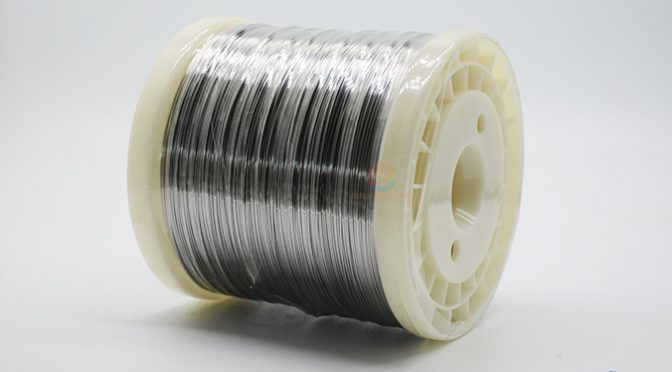
Grade 5 titanium wire is the most widely used α+β duplex titanium alloy wire in the world. Its main components are 6% aluminum and 4% vanadium, and it accounts for over 50% of the total titanium alloy consumption globally. It is considered the universal gold standard for engineering titanium alloys. Its specific strength is significantly higher than that of steel and aluminum alloys.
This wire material is highly versatile and is widely used in various applications, including aerospace structural components, medical orthopedic implants, high-end fasteners, titanium welding filler materials, and 3D printing raw materials. It is undoubtedly the preferred choice among titanium wires due to its combination of high strength and low processing costs.
Properties
- Extremely high strength and lightweight design: density is about 4.43 g/cm³, only 50%-60% of steel, but its tensile strength can reach over 860-960 MPa. This unparalleled strength-to-weight ratio allows it to deliver steel-like strength while significantly reducing component weight.
- Outstanding corrosion resistance: Within seconds of contact with air or moisture, it forms a dense, chemically inert, and self-healing protective oxide film on the surface, resisting corrosion from air, seawater, chloride solutions, and various acidic and alkaline media, and absolutely does not rust.
- Excellent thermal stability: Grade 5 titanium maintains high strength and creep resistance even at high temperatures, and can withstand temperatures up to 450°C for short periods, making it ideal for high-temperature, high-stress environments such as aircraft engine compressor blades.
- Good fatigue resistance and toughness: Exhibits excellent fatigue resistance and durability under high-frequency alternating loads and cyclic stresses. Some heat treatment processes can further enhance its strength and hardness, or improve its ductility and toughness to meet specific needs.
- Excellent biocompatibility: This material is non-toxic, non-allergic and does not react with human tissues or bodily fluids, and promotes bone integration. Therefore, it is the ideal material of choice for permanent medical implants such as artificial joints, dental implants, and bone screws.
Dimension
| Grade | Ti-6Al-4V |
| Diameter | 0.4~6.4mm |
| Type | Coil |
| Density | 4.43 g/cm³ |
| Surface | Polished,Ra≤0.4μm |
| Elongation | 8%~18% |
| MOQ | 5KG |
| Standard | ASTM B863/AWS A5.16/GB |
| Delivery Time | 25-30DAYS |
| Certification | ISO 9001 |
COMMON TYPE
| Grade | American standard grade | Tensile strength (MPa) | Features | Application |
| TA1 | Gr.1 | ≥280 | High plasticity, excellent corrosion resistance, good weldability, and good toughness at low temperatures, although the strength is relatively low. | Chemical equipment, seawater desalination devices, heat exchangers, pipelines, welding and filling materials, cryogenic containers |
| TA2 | Gr.2 | ≥345 | It has an excellent balance of strength and plasticity, strong corrosion resistance, and good weldability, making it the most widely used grade of pure titanium | Chemical and pharmaceutical equipment, pressure vessels, heat exchangers, ship pipelines, welding wires, 3D printing substrates |
| TC4 | Gr.5(Ti-6Al-4V) | ≥345 | It has high specific strength, excellent balance of strength and toughness, good heat resistance, and good weldability, making it the most widely used titanium alloy | Aerospace structural parts, engine components, medical implants, 3D printed filaments, high-strength fasteners, ship structures |
| TC4ELI | Gr.23 | ≥895 | Ultra-low interstitial element content, excellent biocompatibility, high fatigue strength, good corrosion resistance, and toughness surpassing ordinary TC4 | Medical implants (artificial joints, bone screws, dental implants), surgical instruments, and high-precision aerospace structural components |
| TA9 | Gr.7 | ≥860 | Its corrosion resistance in oxidizing acidic environments far exceeds that of pure titanium, with strong resistance to crevice corrosion and excellent high-temperature corrosion resistance | Equipment for high-temperature and high-concentration nitric acid environments, chemical reaction vessels, pipelines, valves, and welding filler materials |
| TC11 | Ti-6.5Al-3.5Mo-1.5Zr-0.3Si | ≥1030 | High high-temperature strength, good thermal stability, strong oxidation resistance, and excellent long-term performance below 500°C | Compressor blades, discs, high-temperature structural parts, and ship power system components for aero-engine compressors |
Application
1. Aerospace Field
Grade 5 Titanium Wire is the preferred titanium alloy wire material in the aerospace industry, widely used in aircraft fuselage/wing structural components, landing gear core parts, aircraft engine compressor discs/blades, as well as aerospace fasteners and connectors. It is also a key material for high-temperature resistant structural components of rockets, missiles, satellites, and other spacecraft.
2. Medical and Biological Field
6Al-4V ELI titanium wire is mainly used in orthopedic implants, dental implants, and maxillofacial surgical prostheses. It is also utilized in the manufacture of high-precision surgical instruments and core components of medical minimally invasive devices. The medical-grade ultra-low gap (ELI) Grade 5 titanium wire is especially preferred for high-end implant applications.
3. High-End Industrial Manufacturing Field
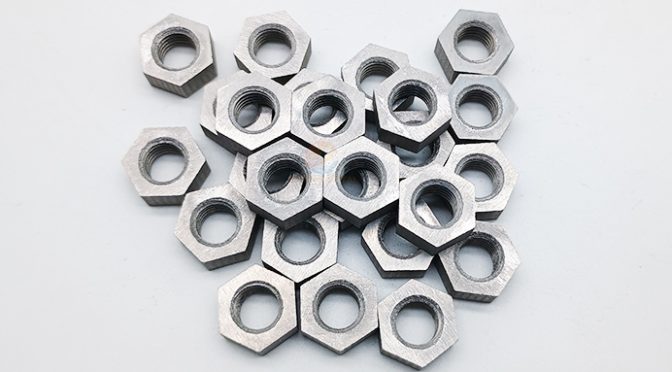
- High-End Fasteners: Titanium alloy wire is used for high-strength, corrosion-resistant fasteners in the automotive, high-speed rail, naval, and wind power equipment sectors, suitable for the engines and suspension system core parts of premium passenger vehicles and racing cars.
- Petroleum Chemicals and Ocean Engineering: Ti-6Al-4V wire is used to manufacture valves, pump bodies, pipe connectors, and offshore platform structural components that are resistant to strong acids, strong alkalis, and seawater corrosion.
- In the field of welding: Titanium welding wire, as a specialized filler wire for welding titanium materials, is used in the welding of pure titanium and various titanium alloys. It ensures that the welds possess the same high mechanical properties and corrosion resistance as the base material.
4. Sports and leisure industry:
It is widely used in the manufacture of high-end sports equipment, including high-end bicycle frames and core components, golf club heads, mountaineering and rock-climbing gear, diving equipment, and premium fishing gear. It serves as a key material in the lightweight optimization of such high-end sports products.
Processing
- Raw material preparation and vacuum ingot preparation: Based on high-purity sponge titanium, aluminum and vanadium alloy raw materials are added according to the Ti-6Al-4V standard ratio. Under high vacuum conditions, multiple meltings are performed to produce uniformly composed titanium alloy ingots, followed by homogenized heat treatment to eliminate internal casting stress.
- Ingot billet opening and hot working bar billet preparation: Titanium alloy ingots are heated to the corresponding temperature range, then processed through multi-directional forging, precision forging/hot rolling multi-pass thermoplastic processing to produce hot-rolled bars with matching specifications and no surface or internal defects, providing qualified raw materials for subsequent wire rod rolling.
- Wire rod rolling and wire billet preparation: The hot-rolled bar is heated to the α+β phase zone, then processed through multiple rolling passes by a continuous hot rolling mill to produce titanium alloy wire rods suitable for cold drawing. Then, through recrystallization, annealing, and mixed acid pickling to remove processing stress and surface oxide scale, clean cold-drawn wire billets are obtained.
- Multi-pass cold drawing and finished product heat treatment: Through multiple passes of cold drawing with precise control of deformation, combined with reasonable intermediate stress relief and recrystallization annealing, finished filaments that meet target dimensional accuracy and surface quality are prepared, and corresponding finished product heat treatment is completed according to application scenario requirements.
- Surface treatment, finishing, and inspection warehousing: According to application scenarios, finished filament materials undergo surface pickling and passivation, precision polishing, and sterile treatment. After straightening, layering, and length-setting and cutting, all performance and quality tests are completed according to corresponding standards. Qualified products are vacuum packaged before leaving the factory.
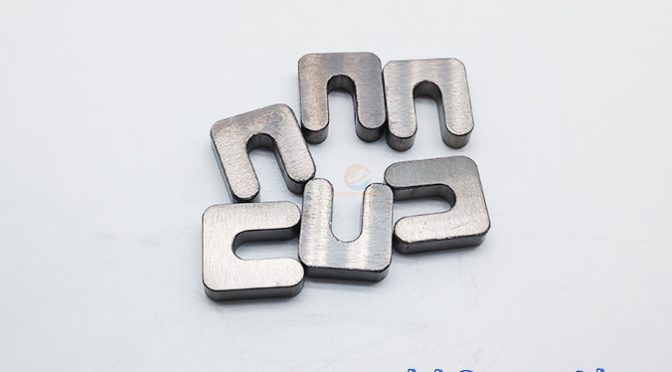
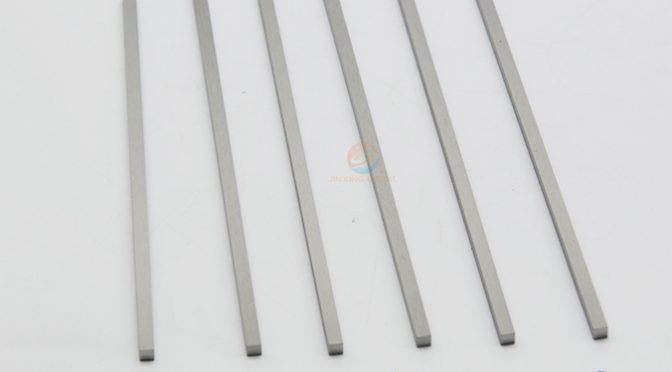
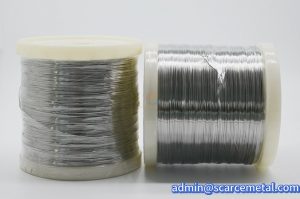
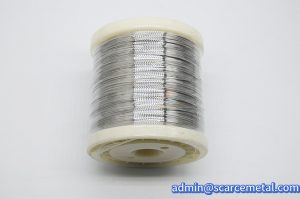
Grade 5 Titanium Wire Pictures
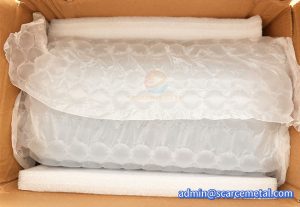
Packing & Shipping